
This tutorial will show you how to calibrate your computer screen on Windows XP. It uses the Color Munki color measurement device to measures the light that your screen emits. The resulting color profile is then associated to this device on the level of the operating system. A tutorial for Mac OS X is also available. Continue reading “Color calibrating your screen using Color Munki (Windows)”
Spanish translation of the Godspeed Questionnaire Series
The Spanish translation of the Godspeed Questionnaire Series was contributed by Javier Ruiz-del-Solar and the Mobile Robotics Laboratory at the Universidad de Chile. The questionnaire series allows researchers to measure the anthropomorphism, animacy, likeability, perceived intelligence, and perceived safety of robots.
Robotics Laboratory
The Designed Intelligence Group at the Department of Industrial Design (Eindhoven University of Technology) use the Robotics Laboratory to explore autonomous systems and their interaction with users. Besides existing hardware platforms, such as the iCat, or Nao, we also developed our own educational robot AdMoVeo. We also massively use Mindstorm NXT and a complete Noldus Observers system, including Biosensors. Please contact Christoph Bartneck if you have any questions about the laboratory.

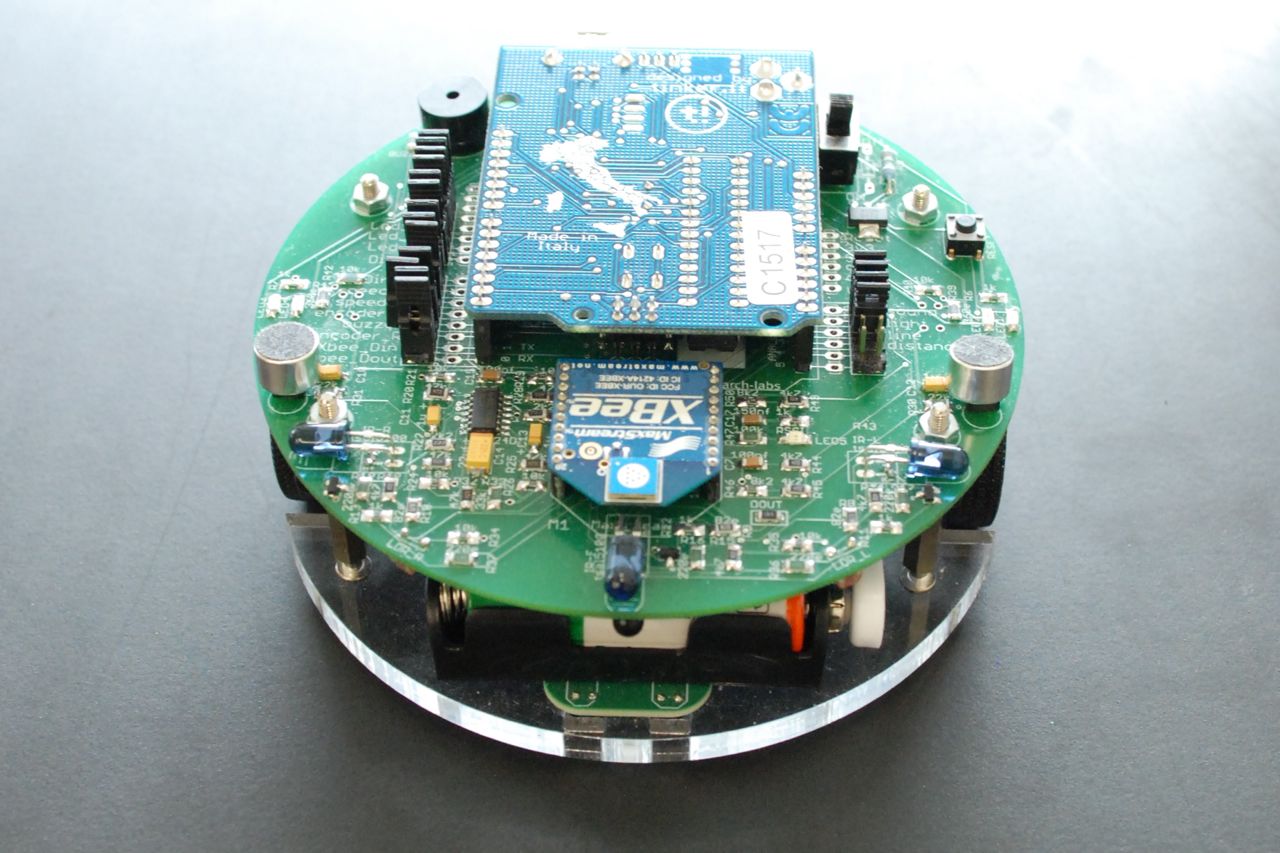
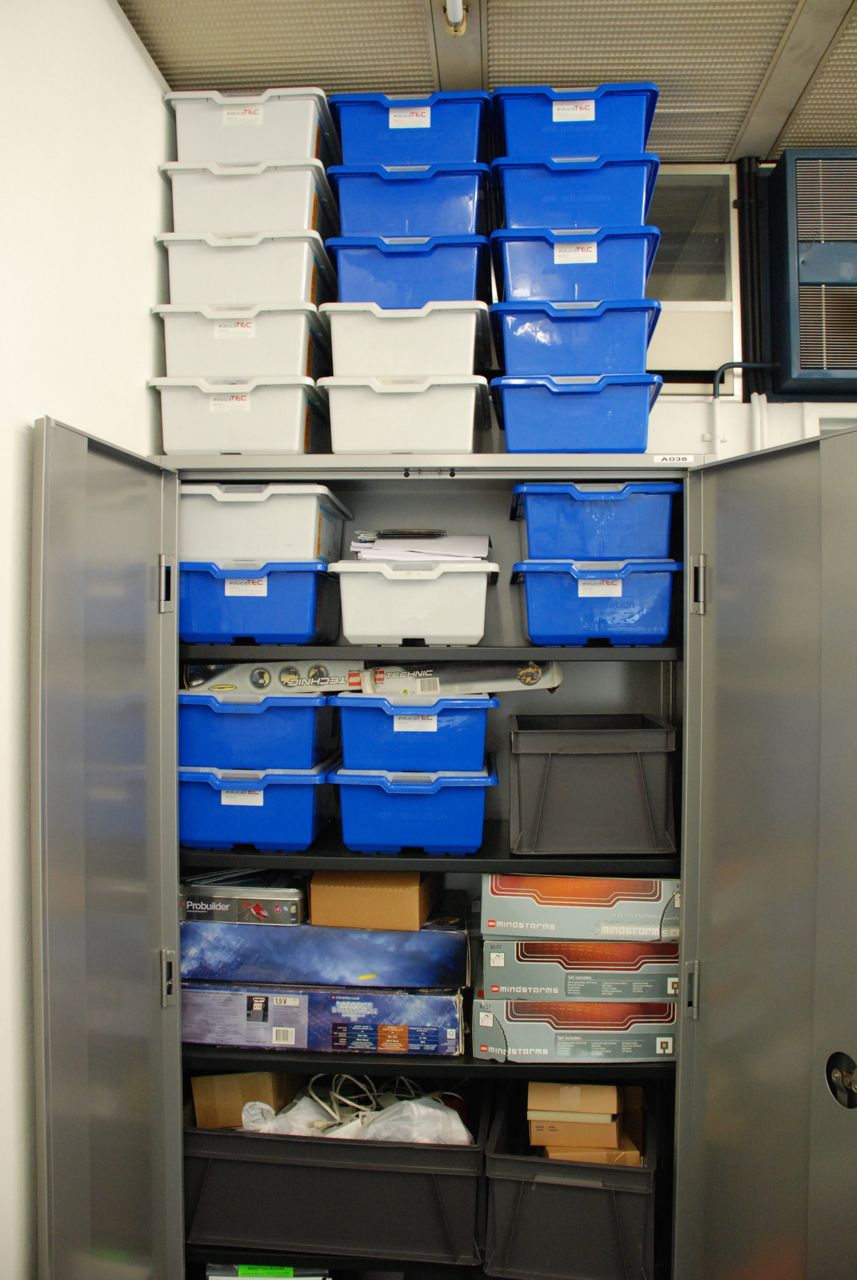


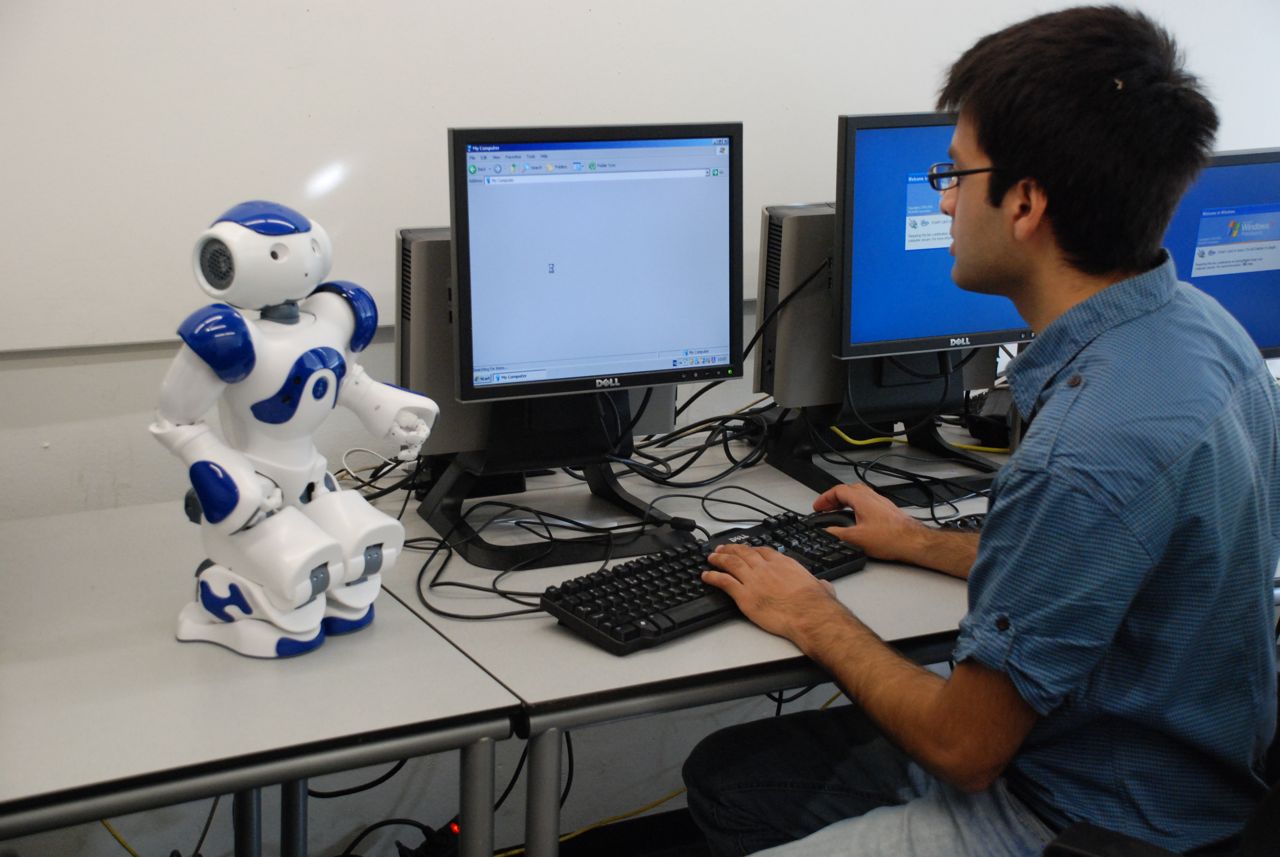
The following projects and education courses take advantage of the facilities:
The following PhD students are associated to the laboratory:
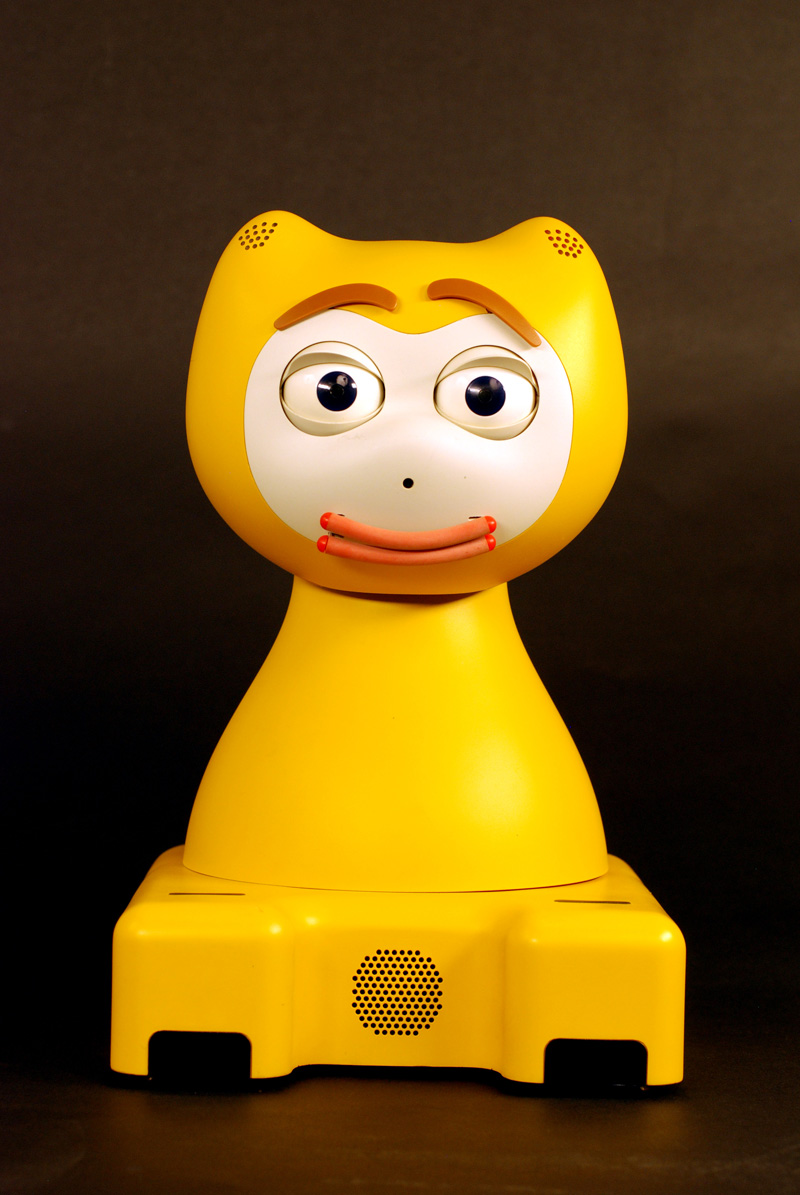
We also have some professional photos of the iCat Robot and Nao vs. Aibo.
Photos of Philips iCat Robot
Today we took some nice pictures of the iCat robot from Philips. With the help of Omar Mubin, we have been able to get some good expression from the cat.




Creating PDF bookmarks from Microsoft Word on Mac OS X
The bookmark feature of Adobe Acrobat (PDF) is really useful. It allows the reader of a PDF document to see the structure of the document and by clicking on the structure, you can navigate to the referenced section. Microsoft Word creates such structures through the use of styles. The automatic generation of the table of contents is based on it. Adobe Acrobat for Windows allows users to transform the document structure (based on styles) into PDF bookmarks. But no such luck for the Mac version of Adobe Acrobat. The conversion settings are not Word specific, but are set in the Distiller settings, that are used for the whole system. I think that it is a shame that Adobe withholds this useful feature from the Mac users.